The Victory of Makkah: The Day Forgiveness Conquered a City
It was the 20th of Ramadan. 8 AH (630 CE).
10,000 Muslim soldiers marched toward Makkah. The city that had expelled them. Tortured them. Killed their loved ones. Broken their hearts.
Eight years earlier, they had fled as refugees. Persecuted. Penniless. Some leaving with nothing but the clothes on their backs.
Now they returned. Not as refugees. As a conquering army.
But what kind of conquerors?
That's the question that separates the Fath Makkah (Victory of Makkah) from every other conquest in human history.
Most conquests end in blood. Revenge. Destruction.
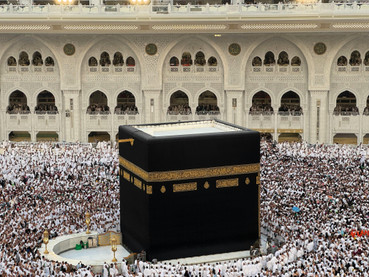
This one ended with the Prophet (peace be upon him) standing at the Ka'bah asking: "What do you think I will do to you?"
His former enemies. His torturers. The people who had made his life hell.
And he said: "Go. You are free."
I remember teaching this story to my students. A skeptical young man raised his hand.
"That can't be true. No one forgives like that. He must have punished them."
I opened the seerah (prophetic biography). Read the hadith. Showed him the historical accounts.
He was silent for a long time.
Then: "If that's true... that's the most powerful thing I've ever heard."
It IS true. And it IS the most powerful moment in Islamic history.
Let me tell you the full story. Not just the military march. But the human moments. The history. The meaning.
Because the Victory of Makkah isn't just a historical event. It's a lesson in forgiveness, power, and what it means to truly submit to Allah.
The Background: Why It Came to This
8 Years Earlier (622 CE - The Hijra):
The Prophet and his companions fled Makkah. Forced out by Quraysh persecution. They migrated to Madinah.
They left their homes. Their wealth. Their city. Their beloved Ka'bah.
The Treaty of Hudaybiyyah (6 AH):
A peace treaty between Muslims and Quraysh. 10-year ceasefire. Both sides agreed to stop fighting.
At the time, many companions were disappointed. The terms seemed unfavorable to Muslims.
Umar ibn al-Khattab asked: "Aren't we on the truth? Aren't they on falsehood? Why do we accept these conditions?"
The Prophet answered with certainty. Signed it.
Then Allah revealed: "Indeed, We have given you a clear victory." (Qur'an 48:1)
The companions were confused. "This is a victory?"
Yes. But they didn't see it yet.
The Treaty Broken (8 AH):
Quraysh's allies (Banu Bakr) attacked Banu Khuza'ah—Muslim allies. At night. In the sacred month.
Quraysh assisted. Helped arm them. Some even participated.
The treaty was broken. By them.
Abu Sufyan's Desperate Mission:
Quraysh realized their mistake. Abu Sufyan (the Quraysh leader at the time) rushed to Madinah.
He met Umar. Umar refused to intercede.
He went to Abu Bakr. Abu Bakr refused.
He went to Ali. Ali told him: "I don't know of anything that would help you."
He even knocked on his own daughter Umm Habibah's door—the Prophet's wife. She refused to let him sit on the Prophet's mat. "You're a polytheist. This mat is too pure for you."
He finally went to the Prophet directly.
The Prophet was silent. Didn't respond.
Abu Sufyan left for Makkah with nothing. Hopeless.
The Secret Preparations:
The Prophet made dua: "O Allah, blind Quraysh's spies. Let us surprise them."
He commanded: Don't reveal the destination. Even to the army.
Only at the last moment did he say: We march to Makkah.
Dr. Ahmed explained: "This is strategic brilliance. The Prophet knew: If they know we're coming, they'll prepare. Fight. People will die. He wanted to enter with minimum bloodshed. The surprise was mercy. Every Muslim who didn't fight was a life saved."
The March: 10,000 Soldiers United
The Army:
10,000 Muslims. From Madinah. From allied tribes. From every direction.
This was the largest Muslim army ever assembled.
Bilal ibn Rabah was there. The man who had been tortured in Makkah. Dragged through hot sand. Heavy rocks on his chest. "Ahad! Ahad!" (One God! One God!)
Now marching back as a free man. A soldier. A companion of the Prophet.
The Night Before:
The Prophet ordered: Light fires throughout the camp.
The Quraysh sentinels saw 10,000 fires from their lookout posts. Their hearts fell.
Abu Sufyan Comes to See:
Abbas ibn Abd al-Muttalib (the Prophet's uncle) met Abu Sufyan sneaking to observe the army.
He brought him to the Prophet.
The Prophet told him: "Hasn't the time come for you to recognize that there is no god but Allah?"
Abu Sufyan: "You are dearest of people to me, noblest of people, most kind."
He accepted Islam that night. After years of leading the opposition.
The Safe Announcement:
The Prophet declared: "Whoever enters Abu Sufyan's house is safe. Whoever closes his door is safe. Whoever enters the Mosque is safe."
A public safe harbor. Before one foot had entered the city.
Fatima told my class: "Imagine. He could have said: 'Kill them all. They deserve it.' Instead: 'Whoever enters this house is safe.' Even the house of his former enemy. Even that house was made a sanctuary. That's mercy beyond human instinct."
The Entry: Four Columns, One City
The Strategy:
The Prophet divided his army into four columns entering from different directions.
Khalid ibn al-Walid led from the south. He met resistance from a small group. Brief fighting. A few casualties.
All other columns: Entered without resistance. No fighting.
The Prophet's Entry:
He entered from the mountain pass. Humble. Head bowed so low it nearly touched his camel's neck.
He was reciting: "Inna fatahna laka fathan mubeena." (Indeed, We have given you a clear victory.) (Qur'an 48:1)
The Image:
The most powerful man in Arabia. Entering his conquered city. Head bowed. Not in triumph. In gratitude and humility before Allah.
Ahmed said: "That image—the victorious Prophet entering Makkah with his head bowed in humility—that teaches more about leadership than any book. Victory didn't make him arrogant. It made him MORE humble. That's the prophetic character."
The Ka'bah: Clearing the House of Allah
360 Idols:
Inside and around the Ka'bah. 360 idols. The city that was built for pure worship of One God—filled with idols.
The Prophet's Action:
He pointed to each idol with his staff.
"Truth has come and falsehood has departed. Indeed falsehood is bound to depart." (Qur'an 17:81)
Each idol fell. One by one. 360 idols. Gone.
The Tears:
Old companions who remembered the Ka'bah before the idols—they wept.
The Ka'bah was being restored to its original purpose. Ibrahim's purpose. Pure worship of Allah alone.
The Key of the Ka'bah:
Uthman ibn Talha held the key to the Ka'bah. The Prophet called him. Took the key. Entered.
After coming out, he returned the key to Uthman. Said: "Take it. It shall remain with you and your descendants until the Day of Judgment. Only an oppressor will take it from you."
The Lesson:
Even in victory, the Prophet honored the rights of others. The key wasn't a war trophy. It was Uthman's right. Restored.
The Adhan: The Call That Shook Makkah
Bilal Climbs the Ka'bah:
The Prophet asked Bilal ibn Rabah to give the adhan (call to prayer).
Imagine:
Bilal. The slave who had been tortured IN this city. Who had cried "Ahad! Ahad!" while being dragged through its streets.
Now standing ON TOP of the Ka'bah. Calling to prayer. His voice echoing over the city that had tried to break him.
"Allahu Akbar! Allahu Akbar!"
The Quraysh Reaction:
Some of the city's leaders who hadn't yet accepted Islam stood watching.
Ikrimah ibn Abi Jahl (son of the Prophet's greatest enemy): "My father would have been humiliated hearing this."
Suhail ibn Amr: He covered his face.
Attab ibn Asid: "Praise be to Allah who took my father before he had to see this day."
But They Listened:
Even in their discomfort, they listened. The call was real. Bilal's voice was real. The faith was real.
The Significance:
Bilal's adhan at the Ka'bah is one of the most emotional moments in Islamic history. Persecuted slave becomes the caller to prayer at the holiest site on earth.
Zaynab shared, voice breaking: "When I first really imagined Bilal on top of the Ka'bah... I couldn't speak. This man who was tortured, dragged, rocks on his chest. Now calling the entire city to prayer. Standing on the roof of Allah's House. I think about him every time I hear the adhan."
The Great Pardon: The Defining Moment
At the Ka'bah:
After the prayers, the people of Makkah gathered. Those who had accepted Islam. Those who hadn't yet. Many who had spent years persecuting Muslims.
They stood before the Prophet.
He Asked:
"O Quraysh! What do you think I will do with you?"
They Answered:
"Good. You are a noble brother, son of a noble brother."
The Prophet Said:
"Go. You are free."
Al-Tulaqa:
They were called "al-tulaqa" — the freed ones. Not slaves. Not prisoners. Not second-class citizens.
Free. Completely. With no conditions.
Who Was in That Crowd:
- Abu Sufyan: Who had led armies against the Muslims for years
- Hind bint Utbah: Who had mutilated Hamza's body at Uhud. Eaten his liver.
- Wahshi: The man who threw the spear that killed Hamza.
- Ikrimah ibn Abi Jahl: Son of the Prophet's most vicious enemy.
- Men who had tortured companions. Killed companions. Done the unthinkable.
All Freed. All Forgiven.
The Surah Revealed:
"When the victory of Allah has come and the conquest. And you see the people entering into the religion of Allah in multitudes. Then exalt with praise of your Lord and ask forgiveness of Him. Indeed, He is ever Accepting of repentance." (Qur'an 110:1-3)
Ibrahim shared, crying: "I have enemies. People who wronged me deeply. Real harm. When I read about the Prophet forgiving the people who tortured his companions, ate Hamza's liver... and he said 'Go, you are free'... I have no excuse to hold grudges. If he could forgive THAT, I can forgive what was done to me."
After the Conquest: What Changed
Mass Conversions:
After the conquest, most of Makkah embraced Islam. The city they had protected through war they now protected through faith.
Abu Sufyan:
His two sons—Yazid and Mu'awiyah—became notable Muslims. His daughter Umm Habibah was already the Prophet's wife.
Hind bint Utbah:
She came to take the oath of Islam. The Prophet listed conditions. No stealing, no fornication, no killing children.
When he mentioned no killing children, she said: "We raised them when they were small and you killed them at Badr." (Referring to her son who had died at Badr.)
Umar laughed at the sharp response. The Prophet smiled.
Ikrimah ibn Abi Jahl:
Fled to Yemen. His wife Umm Hakim accepted Islam. Convinced the Prophet to grant Ikrimah safety.
Ikrimah returned. Accepted Islam. Became one of the most devoted Muslims. Died fighting in the path of Allah.
Wahshi:
Who had killed Hamza. The Prophet found it difficult to look at him (because of the grief over Hamza). But he forgave him. Wahshi accepted Islam. Later, Wahshi killed the false prophet Musaylimah—his spear that had killed Hamza now killed an enemy of Islam.
The Lessons: What Fath Makkah Teaches Us
- Forgiveness Is Power:
The Prophet could have destroyed Makkah. He had 10,000 soldiers. He chose forgiveness.
That forgiveness won more hearts than any battle.
- Victory Requires Humility:
He entered with head bowed. Not puffed up. Not arrogant. Grateful.
Real victory doesn't need to be announced with ego.
- Rights Are Protected Even in Conquest:
Returning the Ka'bah key to Uthman. Following rules even when you have the power to break them.
- The Oppressed Become the Honored:
Bilal—once tortured in Makkah's streets—giving adhan from Ka'bah's roof.
This is Allah's justice. What He reverses, is completely reversed.
- Islam Spreads Through Character:
After forgiveness, most of Makkah accepted Islam. Not through force. Through the Prophet's character.
- Make Dua. Trust the Plan:
The companions thought Hudaybiyyah was defeat. It was the setup for the greatest victory.
Your apparent setback might be Allah setting up something greater.
- People Change:
Abu Sufyan. Hind. Ikrimah. Wahshi. All became Muslims after years of opposition.
Never count anyone out. Guidance comes to whom Allah wills, when He wills.
Omar told me: "I struggled for years with someone who had deeply wronged me. I kept thinking of Fath Makkah. If the Prophet forgave Abu Sufyan and Hind—the people who mutilated Hamza, who led armies against Islam for decades—I can forgive. Not easy. But I can. That story freed me from my grudge more than any therapy."
Conclusion: The Conquest That Conquered Hearts
The Victory of Makkah is not mainly a military story. It's a spiritual one.
Yes, 10,000 soldiers marched. Yes, idols fell. Yes, a city was taken.
But the real conquest? It was of hearts.
By forgiveness. By mercy. By the Prophet's character.
The people of Makkah expected retribution. They got freedom.
They expected vengeance. They got mercy.
They expected the end. They got a beginning.
That's the prophetic model. That's the Islamic character. That's what it means to truly submit to Allah.
When you feel wronged:
Remember the Prophet at the Ka'bah. "Go. You are free."
When you achieve success:
Remember his bowed head entering the conquered city. Humility in victory.
When you hear the adhan:
Remember Bilal. On top of the Ka'bah. Proof that Allah lifts the oppressed.
When you despair:
Remember the companions at Hudaybiyyah. What looked like defeat became the greatest victory.
The Victory of Makkah. 8 AH. 630 CE.
The day the Prophet returned. Not for revenge. For renewal.
Not to destroy a city. To free it.
Not just from Quraysh's power. But from every idol. Every false god. Everything besides Allah.
That's the real victory.
And it's as relevant today as it was 1,400 years ago.
Allahu Akbar.