How to Teach Your Kids Hajj Rituals
Your child looks up at you with big eyes.
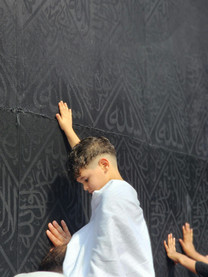
"Baba, why are all those people wearing white? Why are they walking around that black box?"
You're watching Hajj live coverage. Millions of pilgrims. All in white. Circling the Ka'bah.
You want to explain. But where do you start?
"Well, it's complicated..."
Your child's eyes glaze over. Interest fading. Opportunity missed.
Every Hajj season, millions of Muslim parents face the same moment. Their children are curious. Parents want to educate. But they don't know how to make Hajj understandable for a child.
I remember failing at this with my oldest daughter. She was six. She asked why we were watching "the people walking around the box."
I launched into a full explanation. Miqat. Ihram. Tawaf. Wuquf. The pillars. The wajibat.
Her eyes never glazed over more quickly.
She walked away to play with her toys.
I had explained Hajj. But I hadn't taught it.
There's a difference.
Three years later, with my younger son, I tried differently. Activities. Stories. Games. A cardboard Ka'bah in our living room.
He still talks about "the time we did Hajj at home."
He was five. He's thirteen now. He still remembers.
Let me share what worked. Age-appropriate ways to teach your children Hajj rituals. Not lectures. Not long explanations. But activities, stories, and experiences that make Hajj real.
Because if your child understands Hajj before they ever go, they'll experience it completely differently when they do.
Why Teaching Children About Hajj Matters
The Foundation:
The Prophet said: "Every child is born on the fitrah (natural disposition toward goodness)."
Children are naturally curious about spiritual things. About their identity. About "why we do this."
Feed that curiosity well and it grows into love for the deen.
The Early Window:
Ages 4-10 are the prime years for building religious identity. What they learn now becomes the foundation they carry forever.
Hajj Is Rich Teaching Material:
It combines:
- History (Ibrahim, Hajar, Ismail)
- Geography (Makkah, Madinah, Arafat, Mina)
- Physical experience (walking, praying, sacrifice)
- Spiritual lessons (submission, equality, community)
- Life values (patience, trust, gratitude)
Teaching Hajj teaches almost everything you want your child to know about Islam.
Dr. Ahmed told me: "I ask my adult students: 'What do you wish you had learned about Islam as a child?' Almost everyone says Hajj. They went as adults and had to learn everything from scratch. Children who learn early arrive already understanding. Their experience is exponentially richer."
Know Your Child's Level
Ages 3-5: Wonder and Story
They need simple stories and play. No details. No rituals. Just the magic.
Ages 6-9: Connection and Activity
They can handle more. Give them activities. Let them DO things.
Ages 10-13: Understanding and Meaning
They can grasp concepts. Connect rituals to their meanings. Ask deeper questions.
Ages 14+: Deep Engagement
Treat them as young adults. Discuss theology. Discuss history. Discuss their future Hajj.
For Ages 3-5: Make It a Story
The One Story They Need:
Ibrahim. Hajar. Baby Ismail. The desert. The water. The Ka'bah.
Keep it simple. Keep it vivid.
How to Tell It:
Sit together. Calm voice. Use their names.
"A long, long time ago, there was a prophet named Ibrahim. He loved Allah SO much. And Allah loved him too.
One day, Allah asked Ibrahim to do something very hard. Allah asked him to take his wife Hajar and his tiny baby Ismail to a far away desert. No water. No trees. Just sand.
Ibrahim was sad. But he trusted Allah. He kissed Hajar. He kissed baby Ismail. And he walked away.
Hajar looked around. Nothing but sand. Her baby was crying. He was thirsty.
Hajar ran. She ran to one hill to look for water. No water! She ran to another hill. No water! She ran seven times.
Then — something amazing happened. Water burst from the ground right where baby Ismail's feet were kicking. WATER! In the middle of the desert!
That water is called Zamzam. And it still flows today. Have you had Zamzam water? That same water!"
Watch their eyes:
That's connection. That's the beginning of Hajj education.
Simple Vocabulary to Teach:
- Ka'bah = Allah's special house
- Makkah = the city where Allah's house is
- Tawaf = walking around Allah's house to say "I love You, Allah"
- Zamzam = the special water from the story
Fatima shared: "My three-year-old asked me: 'Mama, can we drink Zamzam?' I said yes. His eyes went wide. 'THE water from the story?' I said yes. He held the cup like it was treasure. I cried. He connected the story to something real. That connection is everything."
For Ages 6-9: The At-Home Hajj Activity
This Is the Big One:
Turn your home into a Hajj experience. One afternoon. Or over a few days.
Children this age learn by DOING. So let them do Hajj — in their living room.
What You'll Need:
- Cardboard box for the Ka'bah (paint it black, add gold strip with fabric or paper)
- White sheet or towel for boys' ihram (girls can wear regular modest clothes)
- Blue fabric or paper for Zamzam well
- Small stones or crumpled paper balls for stoning
- A "Mina" corner with pillows and blankets
- Open space for Arafat
The Experience:
- Enter Ihram:
Wrap the white sheet around your son. Say the intention together.
"Labbayka Allahumma labbayk!"
Explain: "Ihram means we're now in a special state. We're dressed simply because in front of Allah, everyone is equal. Rich or poor, king or beggar — same white cloth."
- Perform Tawaf:
Walk around your cardboard Ka'bah seven times together. Counterclockwise.
Count together. "One... two... three..."
Each time you pass the "Black Stone" corner, raise hands and say: "Bismillah, Allahu Akbar!"
- Drink Zamzam:
Stop at the "Zamzam corner." Drink real water together (or actual Zamzam if you have it).
Remind them of Hajar's story. "This is why we drink Zamzam."
- Do Sa'i:
Mark two spots as Safa and Marwah. Walk back and forth seven times.
"We're doing what Hajar did. She ran looking for water. We walk remembering her faith."
- Arafat:
Go to your "Arafat corner." Sit together. Hands raised.
"This is the most important moment of Hajj. At Arafat, we just ask Allah for everything. We talk to Him. Like right now. What do you want to ask Allah?"
Let them make dua. In their own words. In their language.
"Allah, please help me be good." "Allah, please keep my family safe."
This is real Arafat energy — in a living room.
- Stone the "Shaytan":
Set up three targets. Give them paper balls.
"When Ibrahim was going to sacrifice Ismail, Shaytan tried to trick him. Ibrahim threw stones at Shaytan to say NO. We do the same. We're saying: Shaytan, we reject you!"
Let them throw. They'll love this part.
- "Sacrifice" and Hair Cutting:
Pretend sacrifice (draw a picture of a sheep and "give it away" by delivering it to neighbors as charity).
Snip a tiny bit of their hair (or pretend).
"Hajj is over! Say: Eid Mubarak!"
Why This Works:
They didn't just hear about Hajj. They EXPERIENCED it. The body remembers what the mind forgets.
Ahmed told me: "My son was seven when we did at-home Hajj. He's now applying for actual Hajj as an adult. He called me and said: 'Baba, I already know everything. Remember when we did Hajj at home?' Twenty years later, he remembered. That afternoon is his foundation."
For Ages 10-13: Connect Rituals to Meanings
At This Age:
They want to know WHY. Not just what.
Go deeper. Make them think.
Use the Question Method:
Don't lecture. Ask.
"Why do you think everyone wears white during Hajj?"
Let them answer. Even if wrong. Then guide.
"You know what I think? I think it's because when we die, we're buried in white too. Hajj reminds us: One day we'll stand before Allah. All equal. No designer clothes. No fancy cars. Just you and what you did."
Questions That Create Meaning:
"Why do you think Ibrahim and Hajar's story is part of Hajj?"
"If you were Ismail, would you have been as brave?"
"Why do we sacrifice animals? What's the real sacrifice?"
"What's one thing YOU would have to sacrifice for Allah? Like what's your hardest thing to give up?"
That Last Question:
It's the key. Hajj is about sacrifice. What does YOUR child love most? What would it mean for them to be willing to give it up for Allah?
For one child it's their phone. For another it's sports. For another it's a friendship that pulls them away from Islam.
That conversation is Hajj education at its deepest.
Zaynab shared: "I asked my 12-year-old: 'What would you sacrifice for Allah?' She thought for a long time. Said: 'My spot on the school basketball team. Because practices are during prayer time and I keep choosing practice.' That conversation — sparked by asking about Ibrahim's sacrifice — led her to change her schedule. Real Hajj impact without going to Hajj."
Specific Rituals Explained Simply
Ihram:
"When we put on ihram, we leave everything behind. No perfume. No fancy clothes. No phones. Just you and Allah. Hajj is a time to say: I don't need all that stuff. I just need You."
Tawaf:
"We circle the Ka'bah seven times. Why seven? It's how Allah commanded. We don't have to know every reason. We obey because we love Allah. Just like Ibrahim obeyed even when he didn't understand."
Sa'i:
"Hajar ran between two hills looking for help for her baby. She didn't give up. She ran seven times. Allah answered her. Sa'i teaches us: Trust Allah AND keep trying. Don't just sit and wait. Run and trust."
Arafat:
"This is the most important part. More important than the Ka'bah. The Prophet said: 'Hajj is Arafat.' We stand on a plain and ask Allah for everything. All our sins? Forgiven. All our duas? Heard. It's the day Allah is closest to His servants."
Stoning:
"We're not trying to hurt Shaytan with stones. He's not actually there. We're reminding OURSELVES: I reject bad things. I choose good. Each stone is a decision to be better."
Sacrifice:
"Ibrahim was willing to sacrifice his most beloved thing. We sacrifice animals to say: We also give up things for Allah. Not humans — Allah doesn't want that. Animals, money, time. What can we sacrifice?"
Shaving Hair:
"Starting fresh. Clean start. Hajj wipes away all your past mistakes. Like a newborn. The hair represents the old you. The shaved head is the new you."
Ibrahim told me: "My daughter is 16. She asked me: 'Why do we shave the head at the end of Hajj?' I said: 'You're starting over. All your sins are forgiven. The old you is gone. The shaved head is the new you walking out.' She was quiet for a minute. Then said: 'I want to go to Hajj.' That explanation — in one sentence — created the desire. That's what simple explanations do."
Using Books and Media
Books for Young Children (3-7):
- Illustrated story books about Ibrahim and Hajar
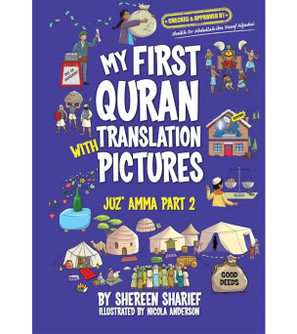
- Colorful Hajj activity books
- Simple surah books (learn duas used in Hajj)
Books for Older Children (8-13):
- The Story of the Prophets (sirah books with Hajj context)
- Children's Islamic history books
- Simple fiqh books about Hajj written for young readers
Media:
- Hajj live streams (watch together, explain as you go)
- Animated Islamic stories about Ibrahim
- Virtual Ka'bah tours (Google Street View has Makkah)
Avoid:
Long academic videos. Lecture-style content. Anything that treats children like adults.
The Best "Media":
YOU explaining it. With enthusiasm. With love. With your own stories.
"When I went to Hajj, I stood at Arafat and I cried. Because I felt like Allah was right there. Do you know what I asked for? I asked for you. That you would be righteous. That you would love Allah."
That will never be forgotten.
Building Anticipation for Their Own Hajj
Make It Their Future:
Start saying from young:
"One day YOU will stand at Arafat." "One day YOU will do tawaf." "One day YOU will drink Zamzam at the Ka'bah."
Plant the seed. Make Hajj their goal.
Make It a Family Vision:
"Our family goal is that everyone does Hajj by [age]. We'll save together. We'll go together."
Dua Together:
"Allahumma baligna al-Hajj." (O Allah, allow us to reach Hajj.)
Teach them this dua. Make it part of their daily routine.
A Promise:
Some parents make a promise: "When you're [age], we'll go to Hajj together."
That promise builds years of excitement. Years of anticipation. Years of questions and learning.
Omar shared: "My father told me when I was eight: 'When you turn 18, I will take you to Hajj.' I counted the years. I asked questions every single year. I read everything I could. When I finally went at 18, I already knew everything. That promise gave me ten years of learning. The best gift he ever gave me."
Making Dhul Hijjah Special Every Year
Even Without Going to Hajj:
Create annual family rituals around Hajj season.
First 10 Days:
- Extra fasting (especially Day of Arafat)
- Family dhikr time (Allahu Akbar, Alhamdulillah, La ilaha illallah)
- Extra charity as family
- Watch Hajj live together
Eid al-Adha:
- Tell Ibrahim's sacrifice story every year
- Let children help with Qurbani preparation
- Involve them in meat distribution to the poor
The Repetition Builds:
Every year, same rituals. Same stories. Same discussions.
By age ten, your child knows Hajj deeply. Without you ever sitting them down for a "lesson."
Conclusion: Give Them the Gift Early
Teaching your children Hajj isn't about creating mini-scholars.
It's about planting seeds.
Seeds of love for the Ka'bah. Seeds of connection to Ibrahim's story. Seeds of anticipation for their own Hajj.
The Simple Summary:
- Ages 3-5: Tell the story. Make it magical.
- Ages 6-9: Do at-home Hajj. Make it experiential.
- Ages 10-13: Ask questions. Make it meaningful.
- Ages 14+: Discuss deeply. Make them ready.
What You're Building:
A young adult who arrives at Hajj knowing why they're there. What every ritual means. What it should feel like. What to ask for.
That's not just Hajj education.
That's a lifetime of faith.
The Ka'bah has been circled for 4,000 years. Your child's feet will circle it too — inshaAllah.
Let them know the story before they get there.
That's your job. That's your honor. That's your gift to them.
Bismillah. Start today.
Labbayka Allahumma labbayk.
May your family answer the call — together.