Master Tajweed for Better Quran Recitation
I don’t think most of us start reciting the Qur’an thinking about how precise we are.
You learn the letters. You follow along. You memorize what you can. After a while, recitation becomes familiar. Comfortable. You know the sound of the verses even before your mouth finishes forming them.
But then you hear someone recite — not dramatically, not loudly — just clearly. Calmly. Every letter feels like it has its own space. And suddenly you realize there’s more going on than you thought.
That’s usually when tajweed enters the picture.
Tajweed Isn’t About Sounding Fancy
A lot of people hesitate when they hear the word tajweed. It sounds technical. Academic. Like something meant for specialists.
But tajweed isn’t about impressing anyone. It’s about not being careless.
Arabic letters are specific. Some come from deep in the throat. Others barely touch the lips. When those differences get ignored, the words lose something — even if the meaning still feels familiar.
That’s really what tajweed protects. The care behind the sound.
When Tajweed Starts to Matter?
Most people don’t wake up one day and decide to “learn tajweed.” It usually happens slowly.
You notice you rush certain verses.
You realize you don't know where to stop.
You catch yourself in the very act of making some habitual mistake you've always made.
This is how Qur'an tajweed becomes personal: not as a subject, but as a responsibility.
When you start paying attention, naturally the recitation slows down. And when it slows down, then you start listening and not just reading.
About Tajweed Rules (Without the Intimidation)
Yes, there are tajweed rules. And yes, they have names.
But nobody actually learns them all at once.
You don’t sit down and memorize a list. You learn by fixing one habit at a time. One letter. One sound. One pause that didn’t feel right.
Over time, you start to recognize patterns. Certain sounds stretch. Others don’t. Some letters need more effort. Others need restraint.
At some point, you stop thinking in terms of rules and start trusting your ear.
Starting Tajweed Without Overthinking It
You don't need to have advanced Arabic; you don't have to understand grammar, nor even know names of rules yet.
Most people start with surahs they already know well. That way, you’re not busy figuring out the words; you’re focused on how they’re supposed to sound.
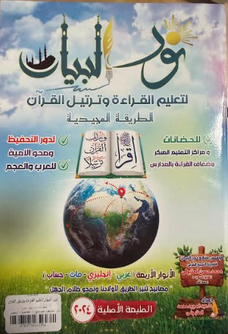
Some like structure, so they reach for a book of tajweed. Beginner-friendly books, such as Let’s Learn Tajweed or Tajweed Made Easy, give direction without pressure.
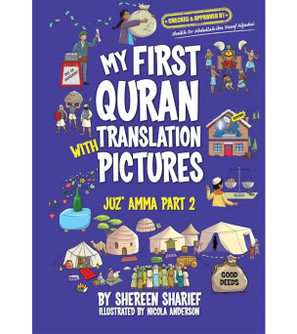
Others find learning easier visually or through stories, especially in children. That’s where something like the Tajweed City Series works well: it teaches through familiarity instead of formality.
Tajweed Looks Different for Kids and Adults
Kids absorb sound quickly. They mimic. They repeat. They don’t overthink.
That’s why programs like Tajweed for Kids focus more on exposure and listening than explanations.
Adults are different. They want to understand why something sounds the way it does. They notice mistakes and feel frustrated by them. Resources like Tajweed Simplified for Adults are built with that mindset in mind.
Neither approach is better. They’re just different.
Mistakes Don’t Disappear Overnight
One thing people don’t talk about enough is how stubborn habits are.
You can know the correct pronunciation and still say it wrong. Not because you don’t care — but because your mouth has years of practice doing it another way.
That’s normal.
Tajweed improves slowly. Quietly. You won’t always notice progress day to day. But months later, you’ll hear yourself recite and realize something has changed.
That’s how it usually works.
Studying Alone vs Having Someone Listen
A lot of people begin tajweed on their own. Listening to reciters. Reading explanations. Practicing in private.
That builds awareness.
But tajweed is sound-based. You can’t always hear your own mistakes. Another person can.
Most learners eventually benefit from having someone listen — even occasionally. Not to criticize, just to correct what you can’t catch yourself.
It doesn’t have to be constant. Just enough to keep you on track.
Tools That Quietly Help
Some learners find visual tools helpful. A color-coded Qur’an, for example, makes certain rules easier to notice while reciting.
A mushaf like the Tajweed and Memorization Mushaf with explanatory margins doesn’t teach tajweed for you — but it supports what you’re already trying to learn.
Sometimes that’s all you need.
Tajweed in Daily Life
You don’t need special sessions or long study hours.
You practice tajweed when you pray.
When you recite one page instead of three.
When you slow down a verse you’ve known for years.
Eventually, tajweed stops feeling like something extra. It just becomes how you recite.
Choosing Resources Without Pressure
Not every resource fits every learner. Some people want books. Others want audio. Some want structure; others want flexibility.
That’s why browsing a focused category like Tajweed learning books helps. You choose what fits you — not what looks impressive.
Platforms like Madinah Media exist for that reason. To support learning without turning it into something heavy.
A Few Honest Questions People Ask
How to perfect your Quran recitation with Tajweed?
The best method for achieving success requires you to slow down and observe everything. You will discover minor details through gradual assessment which includes changing your reading speed and your breathing patterns. The most effective way to use tajweed during your recitation practice requires you to let it control your reading instead of trying to achieve specific outcomes.
How do I make my Quran recitation better?
Most people experience improvement when they develop a routine that includes listening as a permanent practice. The most effective method involves listening to professional reciters while studying familiar surahs through sound-based learning instead of speed reading.
Do I have to know tajweed to read the Qur’an?
You only need to know basic information. You should focus on eliminating obvious errors because that is the essential requirement. Through the practice of tajweed you will enhance your ability to identify errors in your work.
How long does it take to learn tajweed?
Most people generally start to observe improvements before their estimated timeline. The process of becoming familiar with it requires a period that people should consider standard. People need to take their time because they cannot complete tajweed studies within a brief period.
Is tajweed only for advanced students?
Not really. The most significant advantages for beginners occur during their initial stage of habit development.
Do I need a tajweed book?
Some people like having a book to guide them. People who prefer to learn through listening choose to practice their skills without using a book. People have different learning styles, so they end up using both methods to succeed.
Conclusion
Tajweed isn’t a level you reach and finish. It’s something that stays with you. Quietly correcting you. Slowing you down. Reminding you to care.
Every verse you recite with a little more attention than before matters. You don’t need to be perfect. You just need to keep listening. That’s how better recitation actually happens.