
Islamic Stories Every Muslim Parent Should Read With Their Child
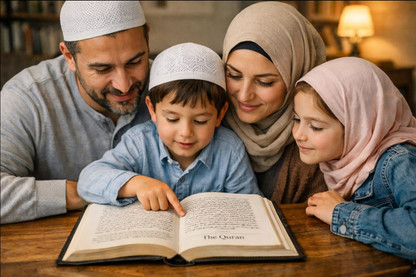
Islamic stories have long been a powerful means of transmitting belief, ethics, and identity from generation to generation, much more than through any other method, such as teachings, for example. Children usually learn through stories before they ever learn about rules or responsibilities; therefore, through stories, values become relatable, and lessons are easily remembered.
When Muslim parents pick out a story for their kids, it's not just about finding something fun to watch. It's really about laying down those important first ideas of faith, good values, and personal growth.
When kids hear stories from the Quran, tales about Prophets, or even just stories with good ideas, it helps them feel close to Islam in a real and natural way. This article is all about how important Islamic storytelling is. We'll chat about which kinds of stories really get kids hooked and some ideas for parents to use books to build faith at home.
Why Stories Matter in Islamic Learning?
By engaging emotions, stories give children the opportunity to learn. Facts alone cannot create an emotional attachment to a child, but a child will often remember a story that provoked an emotion even after many years have passed.
For example, the Islamic tradition has always utilized storytelling as an educational method. Stories demonstrate qualities of patience, faith in Allah, bravery, and mercy, providing examples for youth to relate to, rather than only providing the child with abstract definitions of these qualities.
Stories provide the opportunity for children to:
- Understand the good and the bad through real-life examples.
- Use empathetic thinking, developing as moral thinkers.
- See their faith lived out through examples in the world.
- Be inspired, not only dictated to.
Quran Stories as a Source of Inspiration
Quranic stories are simply the start of all Islamic storytelling. These aren't just for fun; they're also supposed to help show the way. They show the difficult stuff people go through, the choices they make, how they feel about things, and what Allah teaches us about doing the right thing and making good decisions.
Prophet stories really help kids learn important stuff. They show them how to be patient even when things are tough and why it’s good to count on Allah when they’re not sure what’s next. These stories also teach kids the true value of being a good person and how the things we decide to do can change everything.
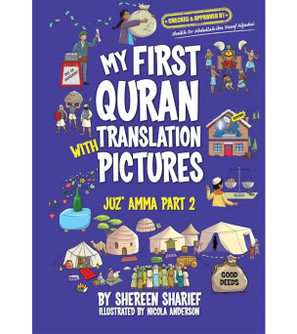
Many parents share these types of stories with their children using children's illustrated storybooks that are based on the Holy Quran collection, designed for family learning.
Stories About the Prophets
The stories of prophets within Islamic Tradition serve as some of the highest forms of moral development for children and are often used by parents to assist their children in developing a foundation for their own values. These narratives present examples of everyone from Muhammad to Jesus and how they dealt with life's trials through faith.
In addition to what children may learn about these prophets, they also learn that they, like the rest of us, were human beings. Because children can relate to a prophet's experience of fear and sadness, they have an easier time identifying with the example set for them. Through the lessons illustrated within these stories, children develop an understanding that faith does not require perfection, but rather the willingness to devote one's energy to their relationship with God.
How Islamic Stories Shape Character?
Beyond faith, Islamic stories focus heavily on character. Honesty, kindness, humility, gratitude, and patience are recurring themes. When children see these values modeled in stories, they begin to internalize them.
Character is a significant focus of the narratives of each prophet. Each prophet's life represents one of the following characteristics: honesty, humility, patience, kind-heartedness, and gratitude; when a child reads these narratives, they begin to learn these characteristics through the experience of a prophet.
When children read a story that illustrates the example of a prophet, they have a better opportunity to develop the moral values of each of these characteristics, rather than just being told to be honest, patient, etc. Examples of these values become more concrete to children by seeing them positively demonstrated through the stories. This is why many parents prefer to use Islamic stories when working with their children to build their character rather than to use general children's stories.
Books That Help Parents Teach Through Stories
Not every parent will have a strong sense of confidence when it comes to conveying religious ideas; however, books are a valuable source of guidance and have set an effective framework, allowing parents access to a vocabulary to utilise in conveying their message. Furthermore, the act of reading to a child assists in creating opportunities to have discussions, ask questions, and engage in the thought process together with the child.
Parents can select from a variety of curated collections of Islamic Books for Kids that provide parents with an opportunity to have family-based reading discussions.
These books are written from the perspective of simplicity, positive moral values, colourful illustrations, and context appropriate for the child's age.
Stories That Grow With the Child
As the child ages, the depth of understanding will also increase and therefore to provide parent(s) with the best experience with Islamic stories is to provide an opportunity for the stories to be read and discussed at various points in the child's development, which provides more layers of meaning to the parent and child as they continue to read and discuss throughout their life.
When a child is beginning to learn the basics, the story may discuss a basic concept such as kindness; however, as the child matures, they will be able to discuss responsibility, leadership, and faith when experiencing a difficult time, according to the same story.
The above demonstrates that Islamic stories will provide an ongoing, valuable source of learning for parents and children rather than a perceived short-term use.
Creating a Reading Culture at Home
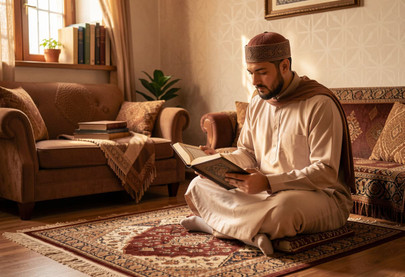
The best stories have the most powerful impact when they are incorporated into a daily routine. When a family makes reading a priority, the parents create an atmosphere where learning is both expected and a positive experience. A few examples of how to build these habits are:
- Read with your child each night before bed.
- Pick one story each weekend.
- Allow your child to decide which book they would like to read that day.
Many parents use dependable sources such as Islamic Books to build their own personal libraries for their children, so their children have access to quality and authentic books.
Islamic Stories and Emotional Development
Children can have many emotions that they may not yet know how to express or define. Books allow children to identify their different feelings and help them cope with those feelings. When children read stories with characters that experience fear, sadness, happiness, or a sense of hopefulness, it teaches children that the emotions they feel are normal parts of their human experience.
Islamic children's books provide reassurance that Allah (SWT) is always near, even in times of great emotion. This knowledge will allow children to create their own emotional strength and develop spiritual strength from an early age.
Introducing Faith to Children Without Coercion
Many parents worry about overly instilling their faith in their children. Religious stories give parents the opportunity to guide their child's journey towards faith while inviting them to question things, rather than just accepting them as true.
Islamic religious stories allow children to learn about their faith in a natural manner (without lectures or pressure) and will create a lifelong bond through genuine curiosity, which will ultimately allow the child to follow their own path rather than be resistant to it.
Stories That Reflect Muslim Identity
Children need to see themselves represented in stories because it makes them feel important and appreciated. For children who live in multicultural communities, this is of even greater importance!
When children read about stories that depict family living, values, and traditions in a positive light, it allows them to develop a sense of self and be proud of their religion.
Many parents want to find books that tell stories as well as teach about culture, and where they can find them is through Islamic & Arabic Books collections.
Islamic Stories in the Modern World
Modern Islamic content is changing over time in compliance with today's needs; modern authors are writing about problems students face today, i.e., friendship, school, emotions, etc., while also incorporating Islamic values.
Modern Islamic literature helps children understand how they can have a connection to Islam on a day-to-day basis, rather than simply applying to specific times in their lives.
How Stories Support Quran Understanding
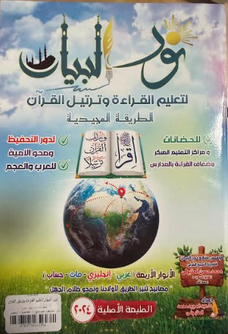
Parents can use stories influenced by Quranic themes to help children learn about the Quran. As parents read children's storybooks with their children, they will also combine them with gentle tools from Quran Learning as the children continue to grow.
Choosing the Right Islamic Stories
- Age and attention span
- Clarity and ease of understanding
- Emotional tone of the story
- Ideas and Concepts of the Quran in accordance with the Quran
Quality over quantity; a small number of thoughtfully selected, relevant Islamic stories are often more useful than a huge number of unrelated stories.
Long-Term Impact of Storytelling
Those raised on Islamic stories develop:
- Moral awareness
- Emotional intelligence
- A positive identity with faith
- Confidence in discussing their faith
The aforementioned characteristics remain throughout adolescence and adult life, continually shaping who we are regarding faith and values.
Conclusion
Islamic Stories are not merely a collection of fiction; they serve as instruments of education and inspiration, as well as serve to foster connections between people. Through stories, parents nurture children’s faith, instill ethical principles, and create lasting memories associated with Islamic values.
When Muslim parents select appropriate books and participate in storytelling with their children, they are gifting their children a valuable experience throughout their lifetime.
Frequently Asked Questions
What are Islamic stories?
Islamic stories are the teachings from the Quran and the lives of our prophets that help us to teach young children about beliefs, values, and morals.
Why are Quran stories important for children?
Reading the stories of the Quran helps children learn about their beliefs through examples. Therefore, these stories make the lesson more relevant and powerful for kids.
At what age should children start reading Islamic stories?
Young children can be introduced to Islamic stories as soon as they are toddlers by using simple storybooks.
Are Islamic stories suitable for non-Muslim children?
Yes. Most Islamic stories teach universal values such as kindness, honesty, and patience.
How often should parents read Islamic stories to their children?
Parents should be reading the stories of the Quran with their kids frequently - even just two times each week can help reinforce the lessons, and build a strong reading habit.
Do Islamic stories replace formal Islamic education?
No. The stories of the Quran are written to complement the formal learning of Islamic concepts and to help make learning accessible and emotionally appealing.