Islamic Books: Which Islamic Book to Read (A Practical Guide for Every Level)
Everyone can get stuck in the search bar typing "Islamic books". You are not alone! There are thousands of titles, such as the Quran editions, other seerah, hadith, children's stories, Arabic learning tools, and more, available. What is the most popular Islamic book to read next, considering your level, objective, and daily routine? Not in this question.
In this article, we will guide those seeking reliable direction and attainable, user-friendly ways to purchase Islamic books online without any pressure, hype, or vague recommendations.
What are good Islamic books to read?
Both positive and negative aspects of Islamic books can be accomplished simultaneously.
- They provide instruction on real-life values like belief, worship, and character development (such as faith, history, and Quranic literacy).
- Fit your current season, including time, attention spans, and language preferences, is well-suited to them.
Check the 8 recommended Islamic books that can fulfill most reading needs.
1) Quran editions and reading-friendly translations
This is where you should begin building a foundation. Different editions serve different needs:
- Arabic-only Mushaf is recited and memorized exclusively in Arabic.'
- Quran in English translations to grasp its meaning.
- Tajweed Mushaf or tajweed resources are utilized for better recitation techniques.
Explore the Holy Quran collection, including (editions, translations, and various tafseer and Mushaf items)
2) Tajweed and “how to recite” learning books
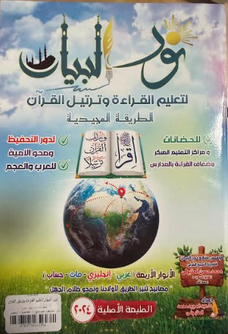
Many readers may find Tajweed to be a challenge until they locate well-paced resources. Tajweed books (for adults or children) offer step-by-step guidance to help you improve your reading skills.
Find Tajweed educational materials and Quran Learning resources for effective reading.
3) Seerah (life of the Prophet ﷺ) and prophetic character
If you want to experience faith that feels more like life than just learning, seerah is a powerful next step. It ties belief in real decisions, patience, leadership, mercy, and community.
Starting with a brief introduction, you can progress to more intricate works as your endurance improves. (Seerah is available for reading in the English Books section.)
4) Aqeedah (belief) for clarity and confidence
Islam's Aqeedah books provide a comprehensive explanation of its "why," which includes information about Allah, revelation, and how Muslims understand the unrevealed world. Simple and well-organized is the way to go about starting. Advanced readers can explore more in-depth theology and methodology.
5) Hadith collections and “daily practice” learning
Hadith encompasses books that are accessible to beginners, examining conduct and religious traditions, and detailed compilations with explanations. A good strategy is to start with a small, hand-picked sample of Hadith and then study the larger books later with someone teaching you the correct ones.
6) Fiqh (worship and daily law) that solves real-life questions
Fiqh's most valuable contribution is its intentional reading. The following are some examples:
- I want to learn salah properly.
- I aim to understand the regulations of fasting.
- My daily activities require some guidance.
Find reliable, well-structured books, preferably with references and a style that suits your educational institution or your trusted instructor.
7) Tazkiyah and character (akhlaq) for personal growth
What are some ways to become a more authentic Muslim at home, work for others, and in my own community? Character-focused books help in developing sincerity, patience, gratitude, humility, anger, and habits.
8) Arabic learning tools (for Quranic connection and comprehension)
The Quran's direct understanding can be greatly enhanced by using Arabic learning resources that are organized into levels.
Explore Arabic Books and Curriculum (Schools).
Also, you can read a blog about Fun Arabic learning activities
What is the most-read book in Islam?
The Quran is the most widely read book in Islam. It is recited in prayer every day, memorized globally, and read for worship and guidance.
If you’re stuck on the question of (from where can I start?), take it as a sign: begin with the Quran in a form you can actually maintain—even if that means short daily reading with meanings, and a separate plan for tajweed and memorization.
You can explore the Holy Quran collection from Madinah Media.
Which Islamic book to read?
This is the easiest way to decide on: choose a level of learning. There is always a way to stop overthinking and start reading, even though you can adjust it later.
The starting point (within 3 months) is to develop clarity and consistency.
Goal: Create a long-term plan and acquire the necessary skills without experiencing burnout.
Start with:
- Quran (readable edition) + brief daily contemplation.
- An introductory book on Islam that covers both faith and worship.
- Short seerah (high-level narrative)
- Manners/character book (practical, home-friendly)
Where to browse:
- The English Books adult category includes (New Muslims, Learn About Islam, Quranic Studies, and other titles).
- Holy Quran for Quran editions.
If you have only 10 minutes of free time daily, try to spend 5 minutes on the Quran and 5 minutes on a beginner's book. Consistency beats intensity.
Intermediate path (3–12 months): strengthen worship + understanding
Objective: Change from "I'm learning" to " I've been practicing with the right mindset.
Add:
- Tajweed learning books (paced)
- The Hadith compilation centered on daily routines and character.
- The Fiqh book on salah/fasting/purification (refer to a trustworthy and readable source for clarity)
- A summary of Seerah, or the biographical accounts of significant friends/teachers.
Where to browse:
The top Tajweed books to read on an internal blog guide.
Intermediate tip: It is recommended to merge knowledge and practice. If you're studying prayer, revise your prayer. If you’re reading about a character, focus on one trait you are studying for 30 days.
Advanced path (1 year+): depth, methodology, and mastery habits
The objective is to achieve a structured study routine while maintaining sanity.
Pick one focus track (at a time).
- The Quran: focus of study through tafseer, thematic reading, and Arabic support.
- Hadith: encompasses broader assortments, critiques, and convictions.
- Fiqh: readers will encounter deeper chapters, comparative issues, and evidence.
- Aqeedah: deeper works from a teacher or structured notes.
- Arabic:curriculum-based progression including reading, grammar, and Quranic Arabic.
Where to browse:
- Courses in Arabic Schools that offer a structured approach to Arabic learning.
- Schools for curriculum-style learning.
Advanced tips: studying fewer books leads to increased depth. Don't race—build mastery.
Mini-lists: Islamic books for kids and teens
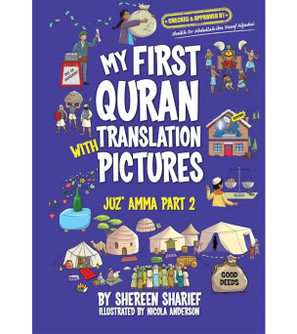
Make learning relatable for children (ages 3–10).
Look for narratives, etiquette, fundamental religious beliefs, and Quran-related activities—with imagery and repetition.
Best places to browse:
- Kids & Teens books from Madinah Media
- Engage in interactive learning by engaging with puzzles and other educational activities.
- Family-friendly Fun Quran Activities
Quick kid strategy:
- One storybook at bedtime.
- The theme of a weekly book on Islamic customs and manners. An interactive puzzle or card set designed for weekend learning.
- Adolescents (ages 11 and under): Identity, relevance, and role models.
Teens often respond to:
- Seerah is presented in an engaging style.
- Character and decision-making.
- Respectful and equivocal books that address genuine questions.
Discover more about the kids and teens section and other areas of youth development from that location.
What is the main book of Islam?
The most important book in Islam is the Quran. It has statements that hold correct information and advice for all people, and Muslims think these are statements shared right from God, in the Arabic language, to Muhammad ﷺ (peace be upon him), His final prophet.
The Quran helps people live their lives and shows a sure way to live a life that has deep meaning and purpose.
Conclusion
The right Islamic books can be found easily. The finest book that facilitates learning, reflection, and keeping faith realistically is the one you can choose to read. Start with the Quran, pick one Islamic book that supports your goal, and allow for self-improvement without any pressure. All this while focusing on yourself.
There is no one “perfect” choice of Islamic books, only the one that suits you at this moment. Why? You start with something that seems easy, you read only at the beginning of your Quran, and gradually build up your understanding. A few pages of genuine reading can leave a lasting impression.